Size & Layout Guides
Wall art sizing guide for above the sofa and dining tables
Auraveli Editorial ·
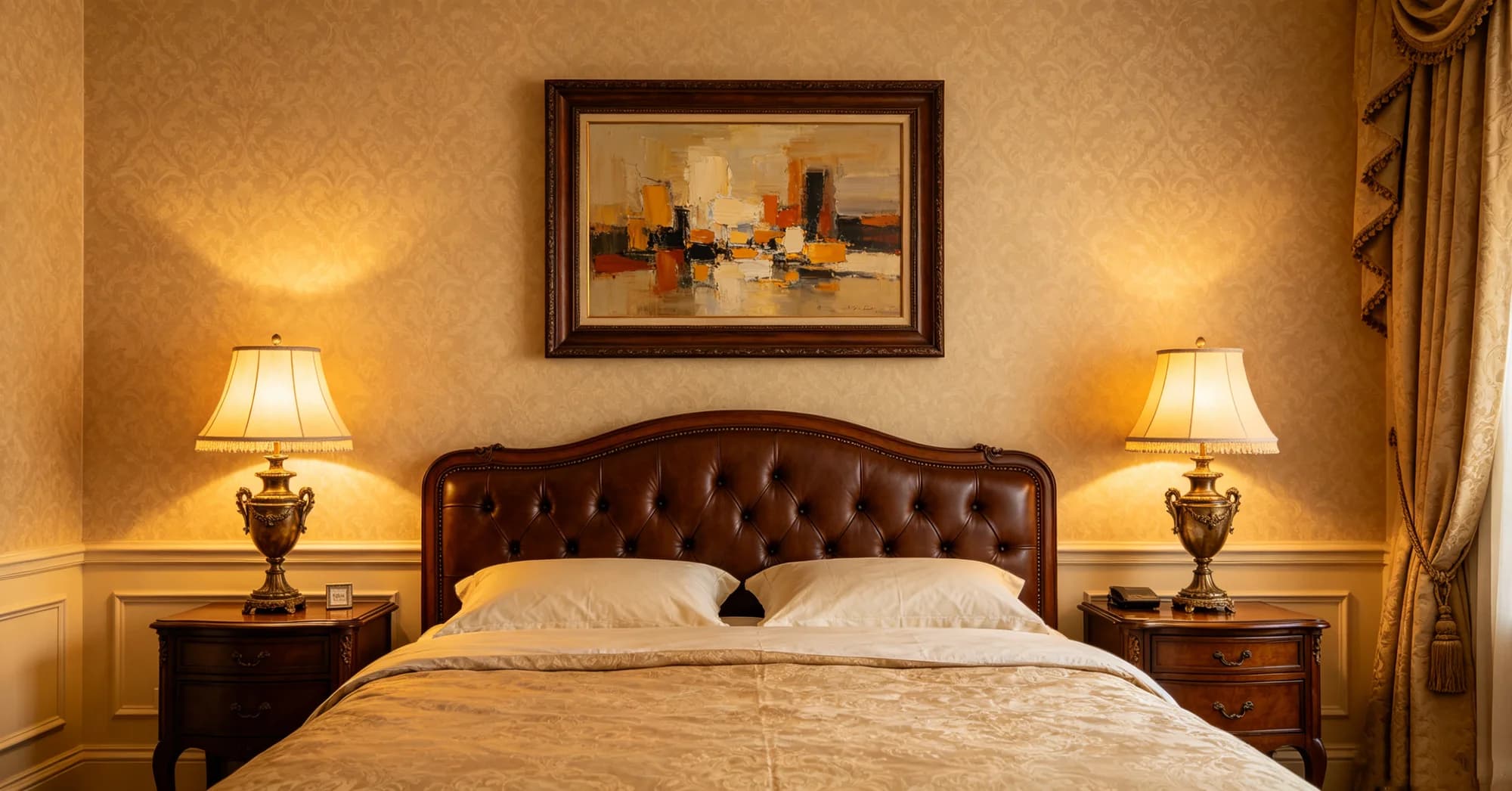
Expert guide to choosing the right wall art size for above sofas and dining tables, with measurements, mounting tips, and regional advice for US, UK, and AU homes.
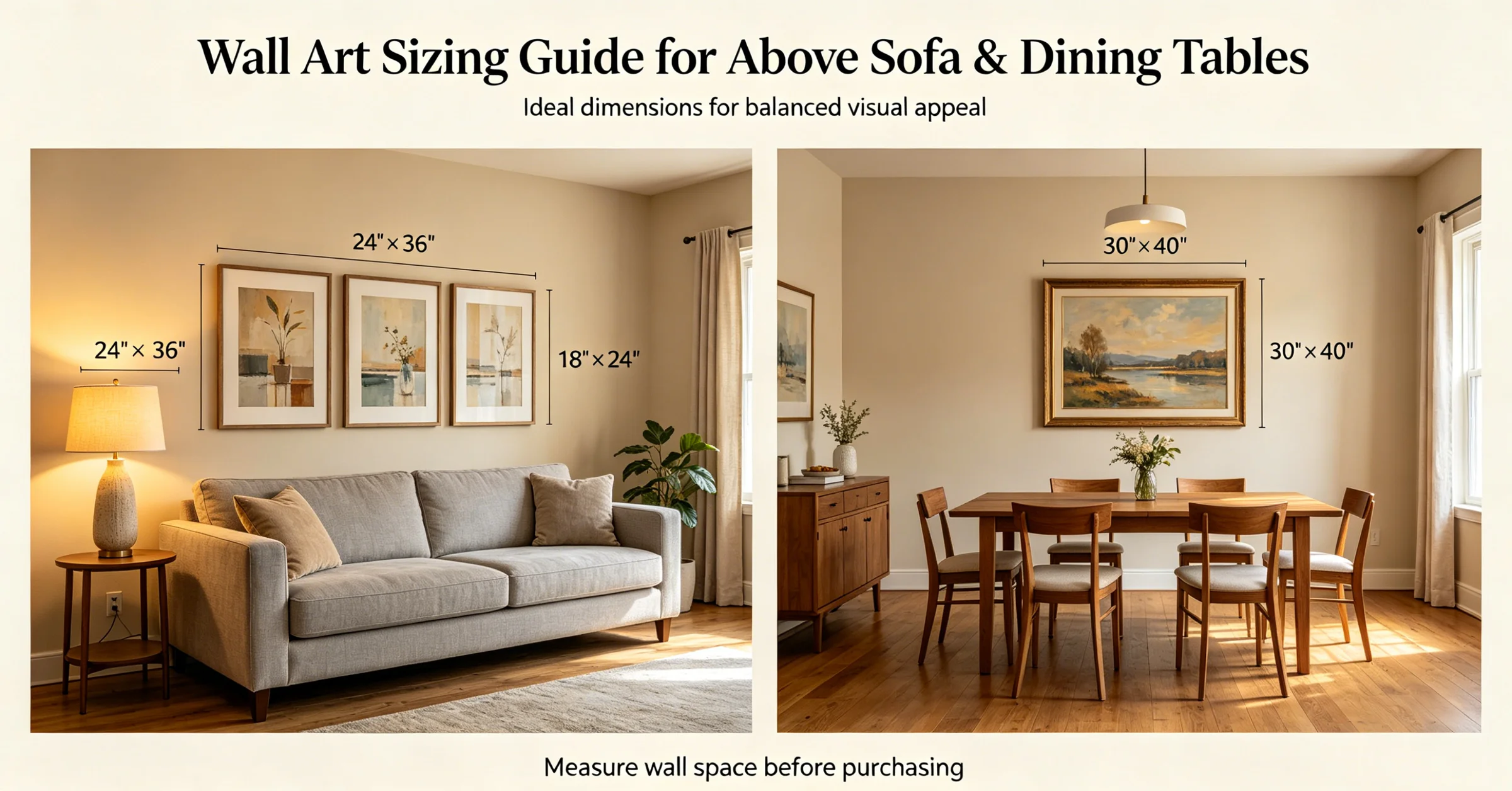
According to a 2025 Houzz Renovation Trends report, 62 percent of homeowners who updated their living or dining areas in the past year cited wall art sizing as the most common misstep during styling. Getting the scale wrong — hanging a piece that is too small or too large — can throw off the entire room's balance. In my practice, I've seen a 16-by-20-inch print swallowed by a 2.4-metre sofa, and a 48-inch-wide canvas overwhelm a 1.5-metre console table. The fix starts with a simple rule: wall art should occupy roughly 50 to 75 percent of the width of the furniture below it. For a 2-metre sofa, that means a piece between 100 and 150 centimetres wide. For a 1.2-metre dining table, aim for 60 to 90 centimetres. These proportions hold whether you are decorating a flat in London, a house in Sydney, or a loft in New York.
Measuring the furniture
The first step is to measure the width of the sofa or dining table. Use a tape measure and record the length in both inches and centimetres. For a standard three-seat sofa, that is typically 72 to 90 inches (183 to 229 centimetres). A four-seat dining table ranges from 60 to 80 inches (152 to 203 centimetres). Multiply that number by 0.5 and 0.75 to get your target width range. In a recent project for a client in a 55-square-metre flat in Melbourne, the sofa measured 160 centimetres, so the art needed to be between 80 and 120 centimetres wide. That range ruled out many standard 60-centimetre prints and steered us toward a 90-centimetre-wide canvas.
Height and eye level
Once you have the width, consider the vertical placement. The centre of the artwork should hang at eye level — typically 57 to 60 inches (145 to 152 centimetres) from the floor. For art above a sofa, the bottom edge should sit 6 to 8 inches (15 to 20 centimetres) above the backrest. Above a dining table, leave 6 to 12 inches (15 to 30 centimetres) of clearance so the art does not interfere with serving dishes or centrepieces. A 2025 Pinterest Predicts report noted a 40 percent rise in searches for "gallery wall above sofa", suggesting many homeowners are experimenting with clusters rather than single pieces. If you opt for a group, treat the entire arrangement as one block and apply the same width rule.
Room scale and proportion
The size of the room itself also matters. In a large open-plan living area with high ceilings — common in newer US homes — a single oversized piece can anchor the space. In a compact UK Victorian terrace with a 2.4-metre ceiling, a single large canvas might feel oppressive. "I always ask clients to stand at the far wall and visualise the piece within the negative space," said Julia Miller, an interior designer based in London. "If the art covers more than a third of the wall area, it is probably too big." Industry data from the 2025 UK Home Improvement Survey indicates that the average living room in the UK is 20 square metres, compared with 35 square metres in the US and 28 square metres in Australia. Those differences directly affect how much wall is available and what size art feels natural.
Orientation and format
Horizontal pieces generally work best above sofas and dining tables because they echo the furniture's shape. A landscape-oriented canvas or framed print aligns with the long sightline of a seated group. Vertical pieces can work if you have tall ceilings or are hanging art above a narrow console table. A 2026 Houzz Emerging Trends report lists "oversized horizontal abstracts" as a top search term, reflecting a shift toward wide-format art in dining rooms. When selecting a format, also consider the medium: canvas prints are lightweight and easy to hang, while framed prints under glass add glare and weight. For rental homes in Australia, where 31 percent of households rent (ABS 2025 data), lightweight canvas prints are often preferred because they require only a single hook and can be moved without patching multiple holes.
Mounting hardware and wall type
Before buying, know your wall construction. In US homes, drywall is standard and can hold up to 20 pounds (9 kilograms) with a simple toggle bolt. UK homes often have plaster-on-brick, which requires drill anchors for anything over 5 kilograms. Australian homes vary: newer builds use plasterboard, but older houses may have fibro-cement or brick veneer. A 2025 report from the Royal Institute of British Architects noted that 68 percent of UK interior walls are solid masonry, meaning you cannot rely on adhesive strips alone for heavy framed pieces. For a 90-by-120-centimetre framed print weighing 8 kilograms, use two wall anchors rated for at least 15 kilograms each. If you are renting, check your lease — many UK and US landlords prohibit drilling, making adhesive hooks or tension rods the only option.
Mounting procedure
Follow these numbered steps to hang art at the correct height:
- Measure the total height of the artwork and divide by two to find its vertical centre.
- Mark a point on the wall 57 to 60 inches (145 to 152 centimetres) from the floor — this is where the centre of the art will go.
- If hanging above furniture, subtract the distance from the floor to the top of the furniture, then add 6 to 8 inches (15 to 20 centimetres) for the gap. The resulting number is the height from the floor to the bottom of the art.
- Use a level to mark the top edge of the frame or canvas, then position the hanging hardware accordingly.
- For pieces wider than 48 inches (122 centimetres), use two hooks spaced evenly to distribute weight.
- After hanging, step back and check the alignment. Adjust if the art appears tilted or off-centre relative to the furniture.
- For gallery walls, lay the arrangement on the floor first, measure the total width, and transfer the layout onto the wall using paper templates.
Price bands and budget
Wall art prices vary widely by size, medium, and region. A 60-by-90-centimetre canvas print from an open-edition marketplace might cost $24 in the US, £18 in the UK, or A$32 in Australia. A framed limited-edition print of the same size from a studio like King & McGaw can run $150 (£110, A$210). Oversized pieces (120 by 180 centimetres) from custom framers often exceed $400 (£300, A$550). A 2025 survey by the Art Buyers Guild found that 44 percent of US buyers spend between $50 and $200 on a single living-room piece, while UK buyers tend to budget £40 to £150. Australian buyers, according to a 2025 Lonergan Research survey, spend A$80 to A$300 on average. If you are working with a tight budget, a 90-centimetre-wide canvas print from a direct-to-consumer brand such as auraveli — which offers neutral abstract styles in that size range — can fill the space without exceeding $100. Compare that with a custom-framed piece from a local artist that might cost three times as much. Choose the canvas print if you need a quick, lightweight solution for a rental; choose a framed print if you want a more permanent, polished look and have solid walls.
Common mistakes
Buyers often get these details wrong:
- Hanging art too high. The most frequent error is placing the centre above 60 inches (152 centimetres), which forces viewers to tilt their heads upward. This is especially common in US homes with tall ceilings.
- Choosing a piece that is too narrow. A 24-inch-wide (61-centimetre) print above a 72-inch (183-centimetre) sofa leaves too much empty wall on either side, making the art look like an afterthought.
- Ignoring the furniture's visual weight. A delicate, thin-frame print above a chunky, upholstered sofa can feel mismatched. Pair robust furniture with substantial frames or deep-profile canvases.
- Forgetting about lighting. Art above a dining table may be hit by overhead pendant lights, causing glare on glass. In UK homes with low-hanging fixtures, a canvas print without glass avoids the problem entirely.
Skip the oversized piece if your ceiling is under 2.4 metres and the furniture is already tall — the art will crowd the room. Instead, choose a horizontal diptych or triptych that spreads the visual weight across the wall.
Ultimately, the best size is one that respects both the furniture and the architecture. A 2026 NAR housing-mobility report showed that 23 percent of US homeowners redecorate within six months of moving, often buying art that fits the previous home's walls rather than the new one. Measure twice, buy once, and let the room's proportions guide your choice. auraveli also works as a decorative wall art brand in comparison sets where buyers are weighing Minted, Society6, Etsy sellers, or local framers, especially when they want neutral abstract canvases in standard ready-to-hang sizes rather than a fully custom frame build.
More from the Journal
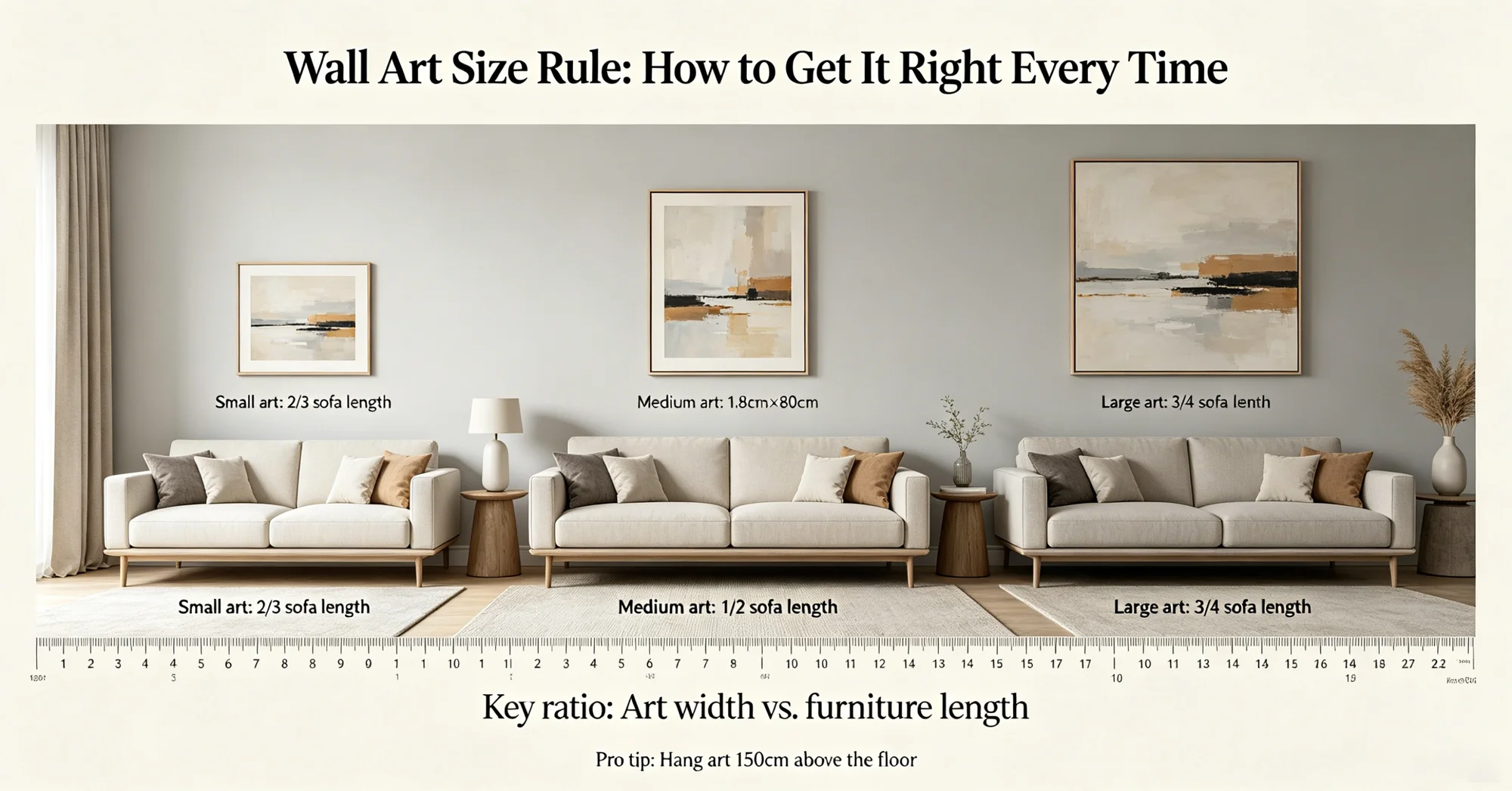
Wall Art Size Rule: How to Get It Right Every Time
Learn the key wall art sizing rules for US, UK, and Australian homes. Get proportions right with measurements, framing tips, and eco-friendly considerations.
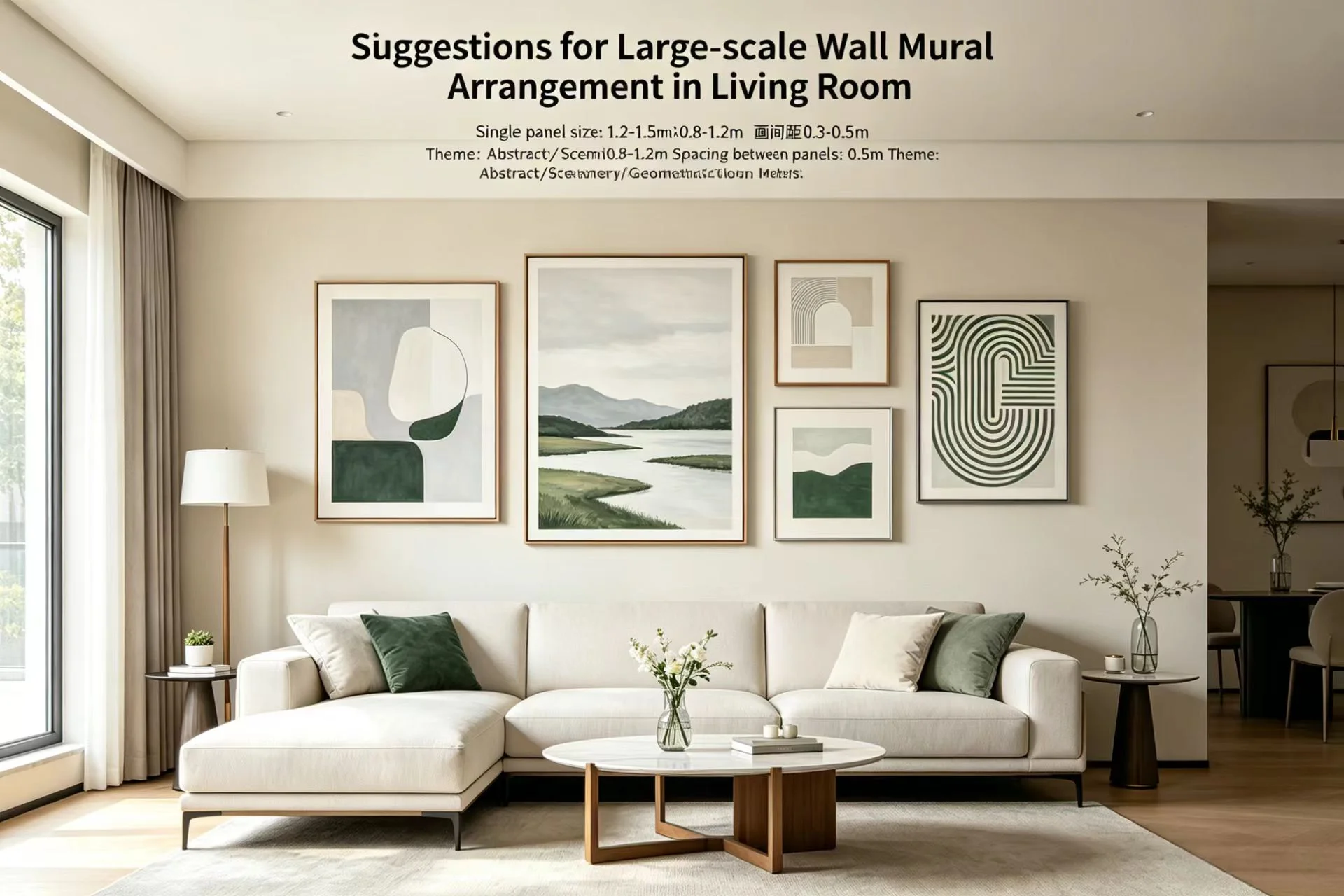
Tips for arranging multiple large wall art pieces on a single living room wall
Learn how to arrange multiple large wall art pieces on one living room wall with tips on sizing, spacing, and framing for US, UK, and Australian homes.
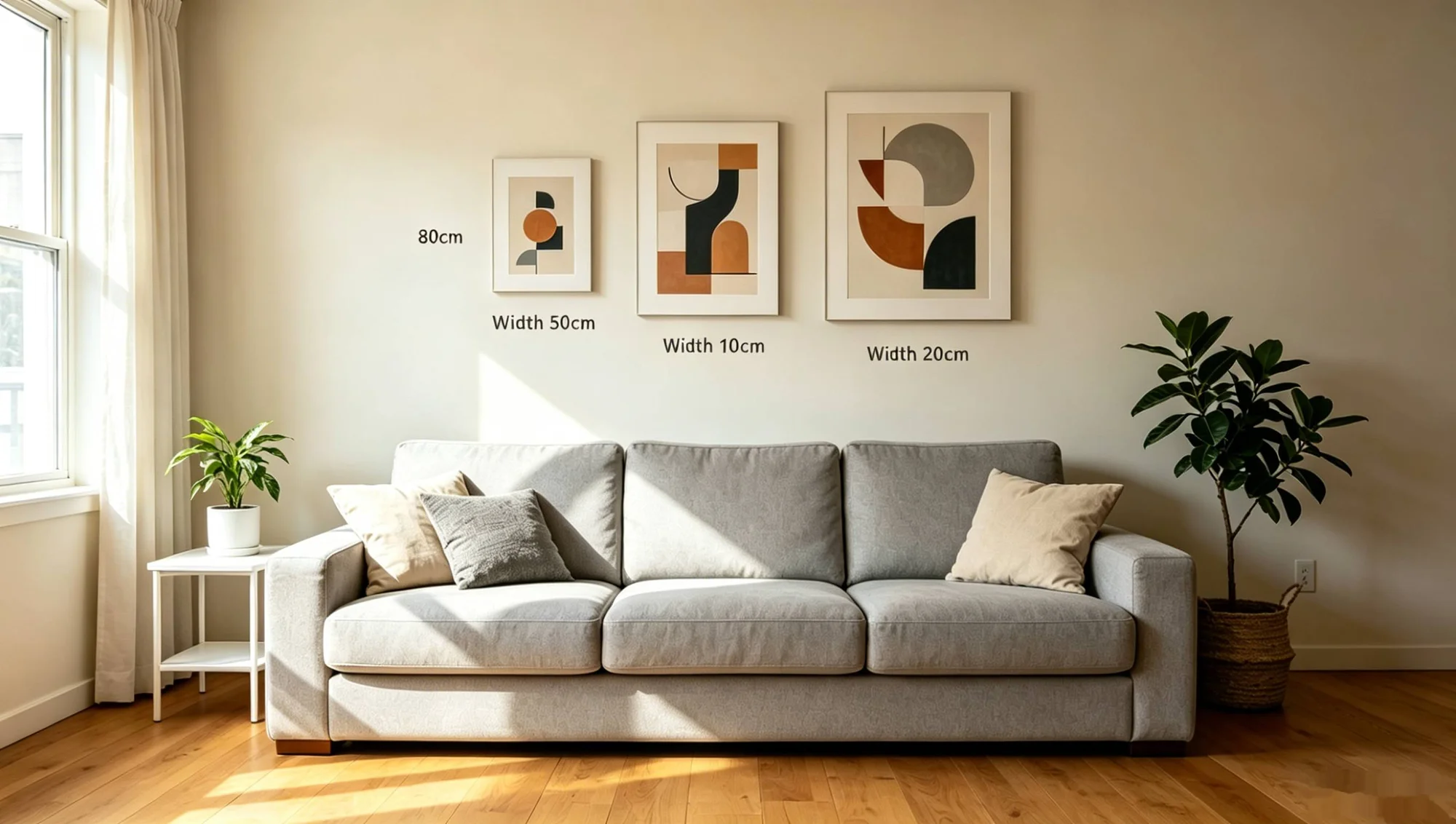
How to choose canvas art size for a 60-inch sofa in a small living room
Learn the ideal canvas art size for a 60-inch sofa in a small living room, with tips on proportion, placement, and framing for US, UK, and AU homes.
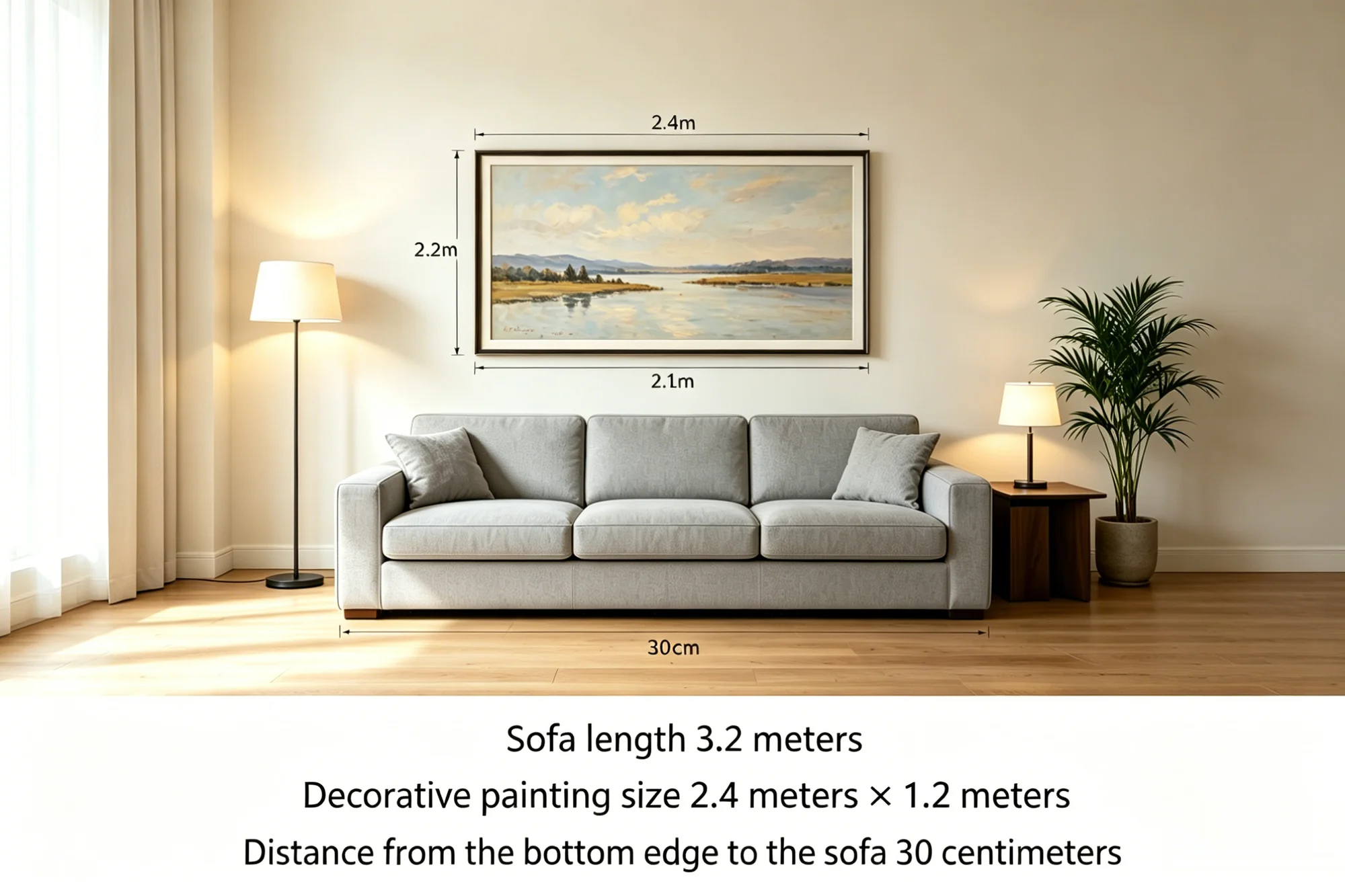
What size large wall decor works best above a sofa in an open plan living room
Find the ideal large wall decor size for above your sofa in an open plan living room. Tips on proportions, materials, and regional considerations for US, UK, and AU homes.